
Can Shitaqi Medical Hyaluronic Acid Repair Dressing be used for skin recovery after cosmetic procedures?
The answer is: yes. Not only is it possible, but it is also an ideal professional choice during the 'golden recovery period' following cosmetic medical procedures.
After undergoing medical aesthetic treatments such as photorejuvenation, laser therapy, mesotherapy, microneedling, or chemical peels, the skin enters a special "window period"—a phase where its barrier function is temporarily weakened, accompanied by dryness, redness, burning, tightness, and other signs of fragility. The focus of skincare during this stage is not about "adding beauty," but rather "emergency repair" and "barrier reconstruction." Sitapi Hyaluronic Acid Repair Dressing is a professional medical device product specifically designed for such situations.
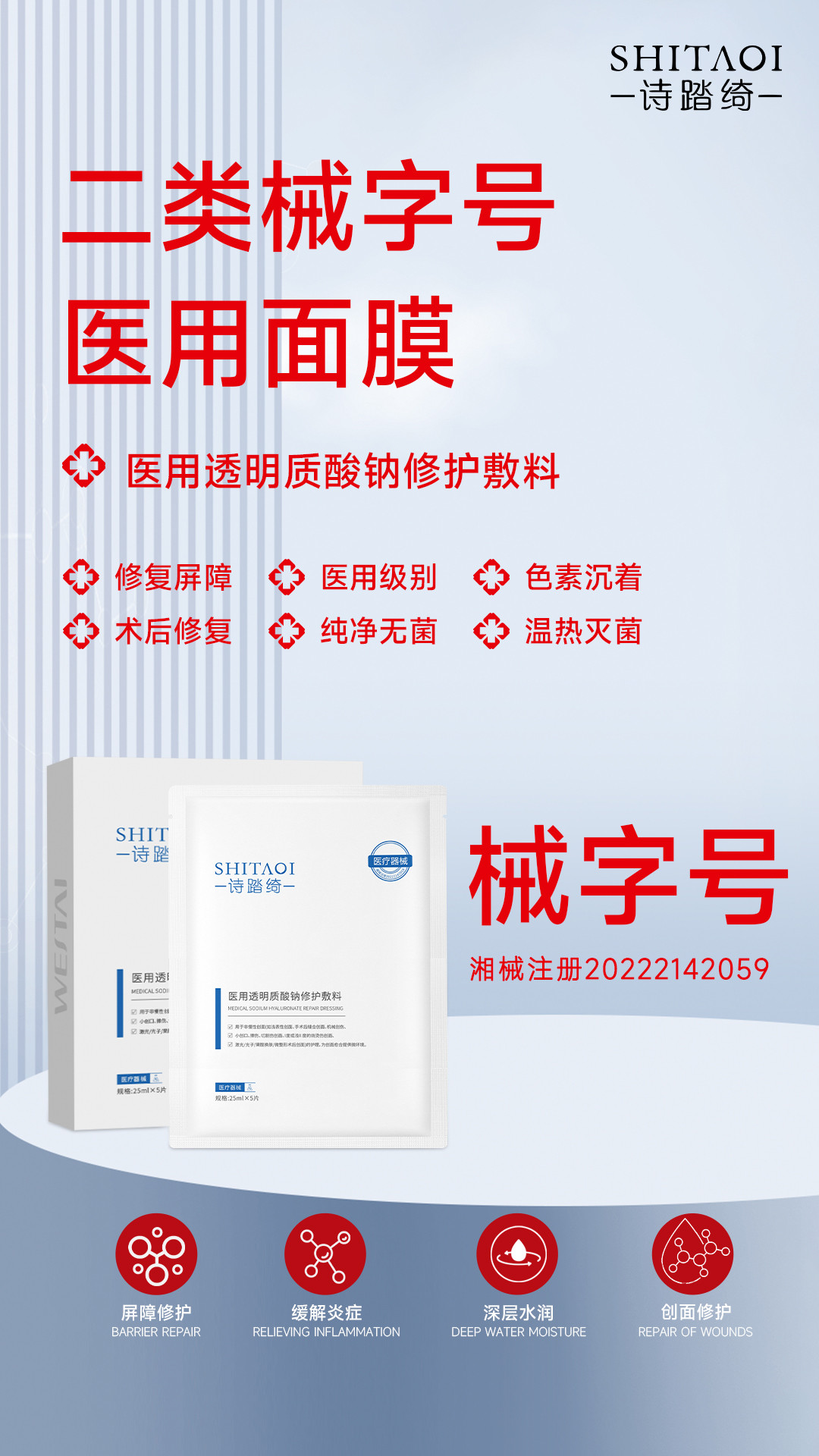
Why is it effective? Three key scientific supports
1. Specific Ingredients with Precise Targeting: Core component is "medical-grade" sodium hyaluronate
High Purity and Safety: Unlike regular skincare products containing hyaluronic acid, "medical-grade" indicates that its raw material purity, manufacturing process, and impurity control adhere to stricter medical device standards, significantly reducing the risk of irritation or allergic reactions on damaged skin.
Deep Hydration and Moisture Retention: Sodium hyaluronate is an essential component of the skin's natural moisturizing factors. After medical aesthetic procedures, the skin's ability to retain moisture in the stratum corneum decreases. It acts like a "sponge," absorbing a large amount of water and forming a breathable moisturizing film on the skin's surface, effectively alleviating post-procedure dryness and discomfort and creating an optimal moist environment for cellular self-repair.
2. "Medical Device" Classification Indicates Higher Standards
As a Class II medical device, Sitapi Medical Sodium Hyaluronate Repair Dressing undergoes a rigorous approval process, including comprehensive biological evaluation (biocompatibility testing) and clinical validation, confirming its safety for use on damaged skin.
Its production must occur in a sterile or strictly controlled microbial environment, which is crucial for postoperative skin that is barrier-compromised and prone to infection.
Therefore, it functions as a form of "medical intervention," with the specific goal of actively promoting wound healing and supporting skin barrier recovery, rather than merely providing basic hydration.
3. Physical Barrier Effect Providing Active Protection
When applied to the skin, the product forms a breathable protective layer on the surface. This protective film effectively isolates the skin from bacteria, pollutants, and irritants in the external environment, reducing the risk of secondary damage. It also cushions against external friction, allowing the skin to begin its self-repair process in a stable environment.
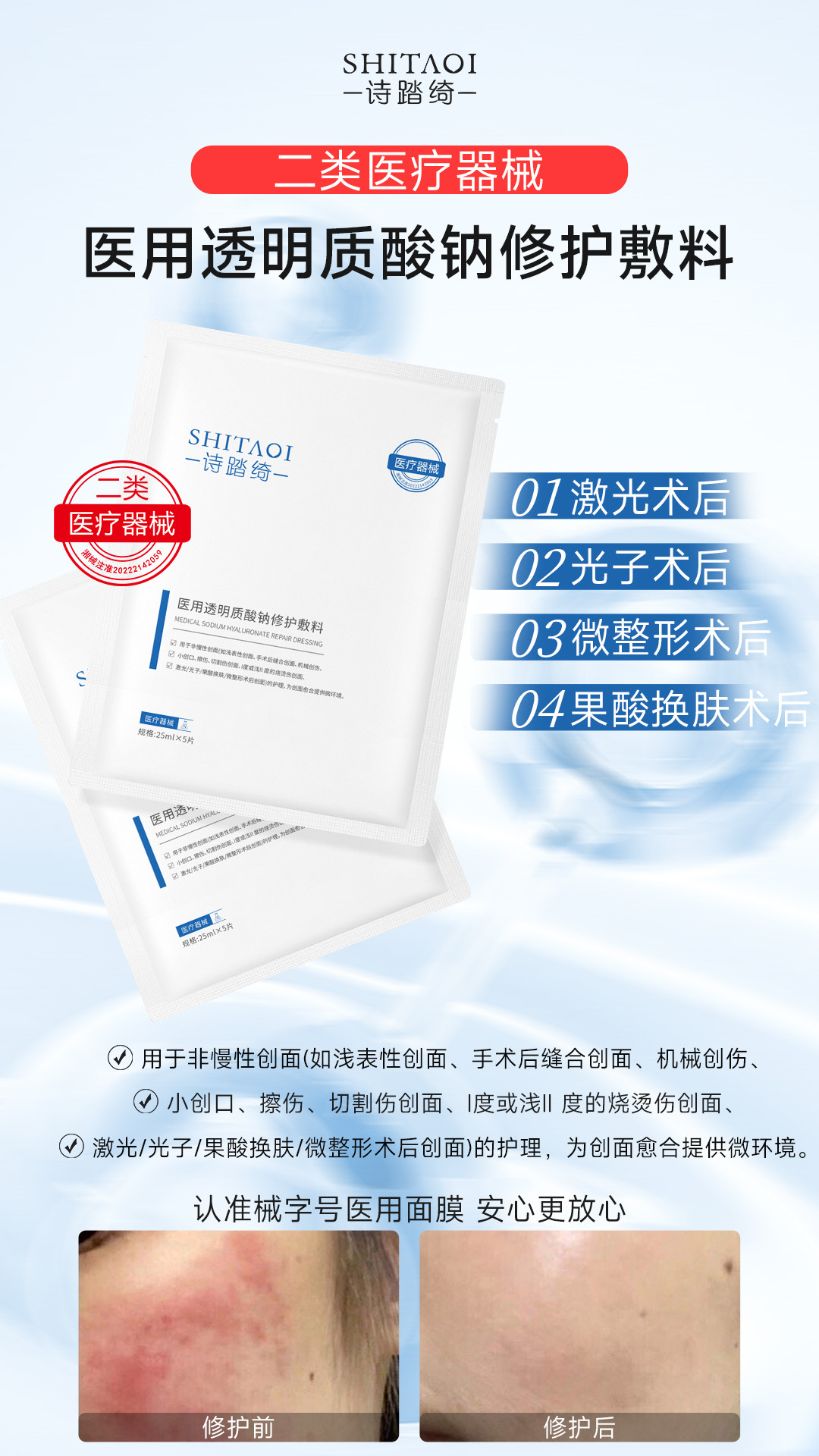
How to Scientifically Use After Medical Aesthetic Procedures?
To achieve the best recovery effect, it is recommended to follow these steps:
Timing: Use within 24 hours after completing the medical aesthetic procedure and after the therapist has performed the initial treatment. This is the golden time for hydration and soothing.
Cleansing: Gently cleanse the face with mild saline or a medical cleansing product recommended by the doctor, avoiding friction.
Application: Remove the dressing and apply it closely to the treated area. According to skin response and product instructions, it is generally recommended to use once daily, 15-20 minutes each time. During periods of acute redness and burning, frequency may be increased under medical supervision.
Follow-up: After application, gently massage to promote the absorption of residual essence; no need to rinse again. Then, follow medical advice to apply other reparative creams or medications.
Duration: It is recommended to use continuously for 3-7 days, or until acute skin reactions (redness, significant dryness) have largely subsided and the skin barrier function has initially recovered.
The core differences between medical dressings and regular masks are as follows:
1. The nature is different
Medical dressings are "machine brand" medical devices, which are strictly supervised and require clinical verification; Ordinary masks are "makeup" cosmetics with different standards.
2. The formula is different from the production
The composition of medical dressings is streamlined, the pursuit of safe repair, and the production environment requires sterility or strict bacterial control. The composition of ordinary masks is relatively complex, focusing on skin feel and aroma, and the production is carried out according to cosmetic standards.
3. The use and mechanism are different
Medical dressings are used for postoperative, damaged and other unhealthy skin, by forming a protective film to isolate irritation and promote healing; Regular masks are used for daily maintenance of healthy skin, mainly to provide short-term hydration.
Summary: Medical dressings are the "repair tool" when the skin is damaged, and ordinary masks are the "maintenance products" when they are healthy, and the two cannot be replaced by each other.
Shitaqi Medical Sodium Hyaluronate Repair Dressing, with its medical-grade ingredients and medical device-grade strict safety and efficacy verification, can provide safe, effective and well-based professional repair for fragile skin after medical art. It precisely matches the core needs of post-operative care by actively hydrating, creating a protective barrier, and creating a moist healing environment.
Final tip: The first and foremost principle for any specific care plan after medical surgery is to strictly follow the guidance of your treating physician. This product can be used as an ideal auxiliary repair product under the advice of a doctor, helping you to survive the recovery period more safely and comfortably, and stabilize the medical aesthetic effect.
Related recommendations
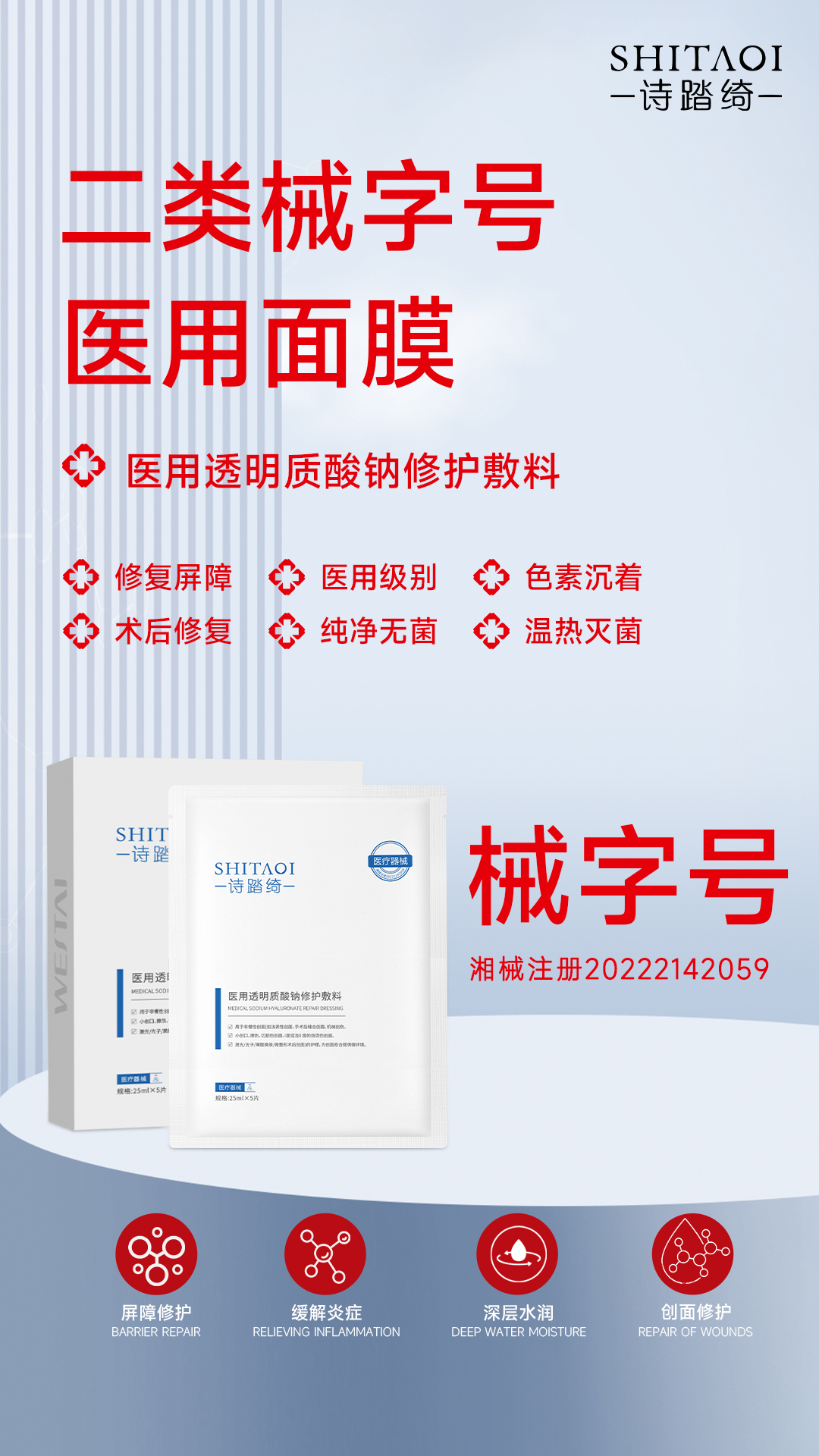
 Can Shitaqi Medical Hyaluronic Acid Repair Dressing be used for skin recovery after cosmetic procedures?After undergoing medical aesthetic treatments such as photorejuvenation, laser therapy, mesotherapy, microneedling, or chemical peels, the skin enters a special "window period" — during which its barrier function is temporarily weakened, accompanied by a series of fragile conditions such as dryness, redness, burning, and tightness.
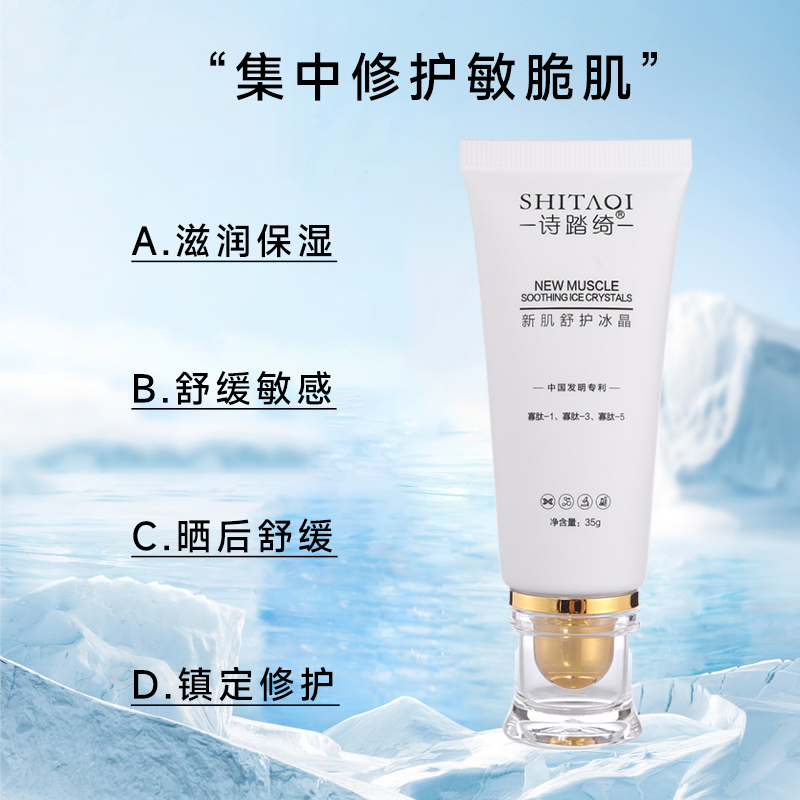
 Poetic Steps Qixin Skin Comfort Care Ice Crystals and Medical-Grade Sodium Hyaluronate Repair Dressing: The Golden Combination for Post-Medical Aesthetic RecoveryPostoperative care in cosmetic procedures is a crucial factor in determining the final outcome. However, issues such as damage to the skin barrier, inflammatory reactions, and dryness with flaking after the procedure often cause anxiety for patients.
News
FOSHAN LIHAI GUOZHUANG COSMETICS CO., LTD. sincerely invites partners from all sectors to visit for guidance and business discussions. Let's create a beautiful future together!